 Feature
Leave the safe shots to your phone.
Feature No.018 — My Favorite Things
Cheap, Emo, Cute:
The ¥12,000 Lens
For two years, one lens has lived on my camera: the TTArtisan 35mm f/1.4 C (a 53mm equivalent) on a Fujifilm X-T30, carried everywhere — travel, mountains, the outdoors. This is why I love it, in exactly three words. ("Emo" — emoi in Japanese slang — means a photo that carries feeling and context, not just image quality.)
Cheap — F1.4 for Everyone
The TTArtisan 35mm f/1.4 C is remarkably inexpensive for a lens this bright. Fujifilm's own lens at this focal length and aperture costs around ¥80,000 — worth its price in features and performance, certainly, but out of casual reach for anyone who just wants to enjoy photography as a hobby.
FUJIFILM EQUIV.¥80,000→TTARTISAN¥12,000
If a fast lens costs only ¥12,000 — about $80 — anyone can enjoy photography. The standard advice says start cheap and save up for bright glass, but that waiting period is dead time. Start with the bright lens: you miss fewer moments, and you improve faster.
Use It Hard, Worry Never
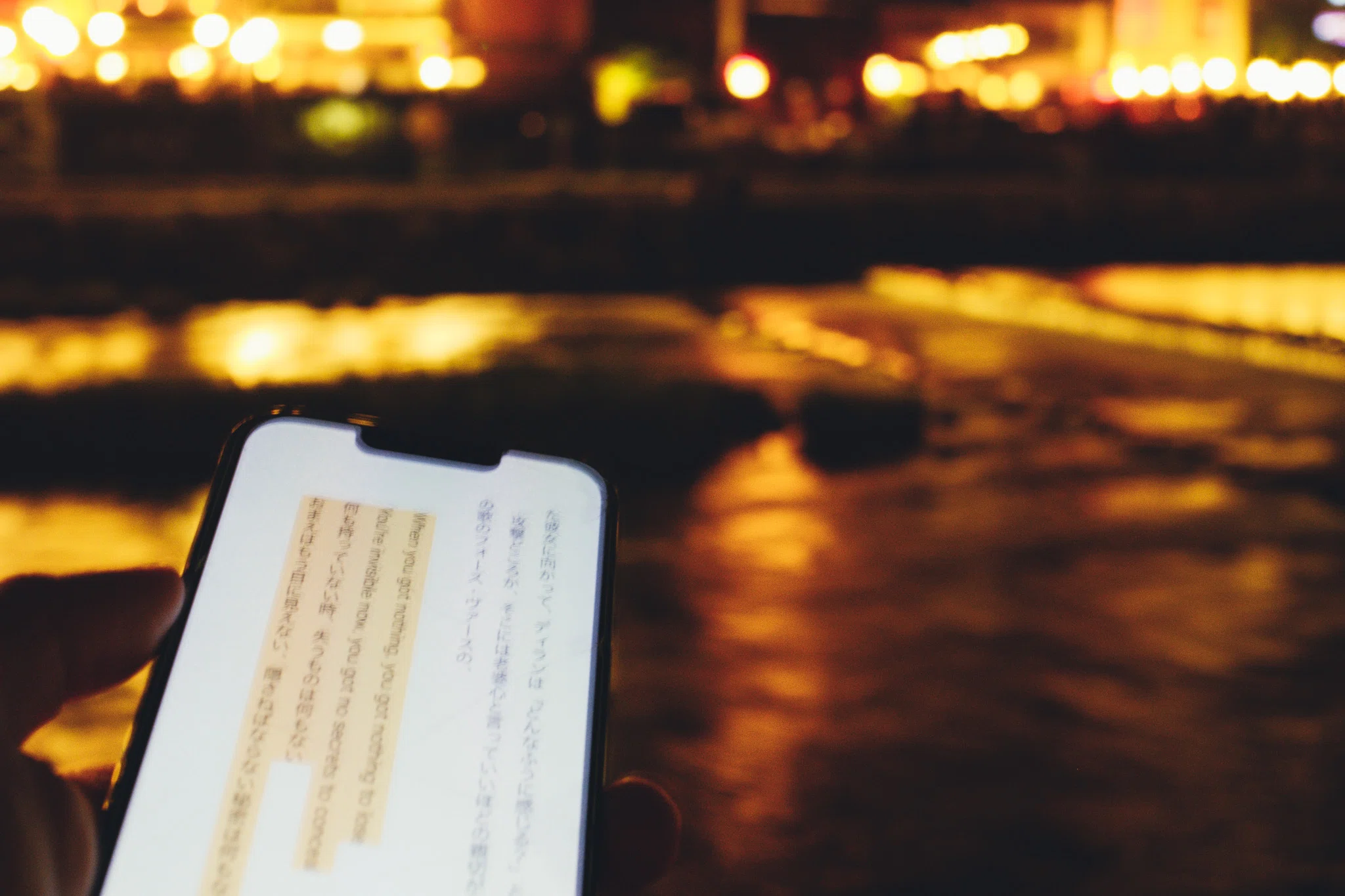
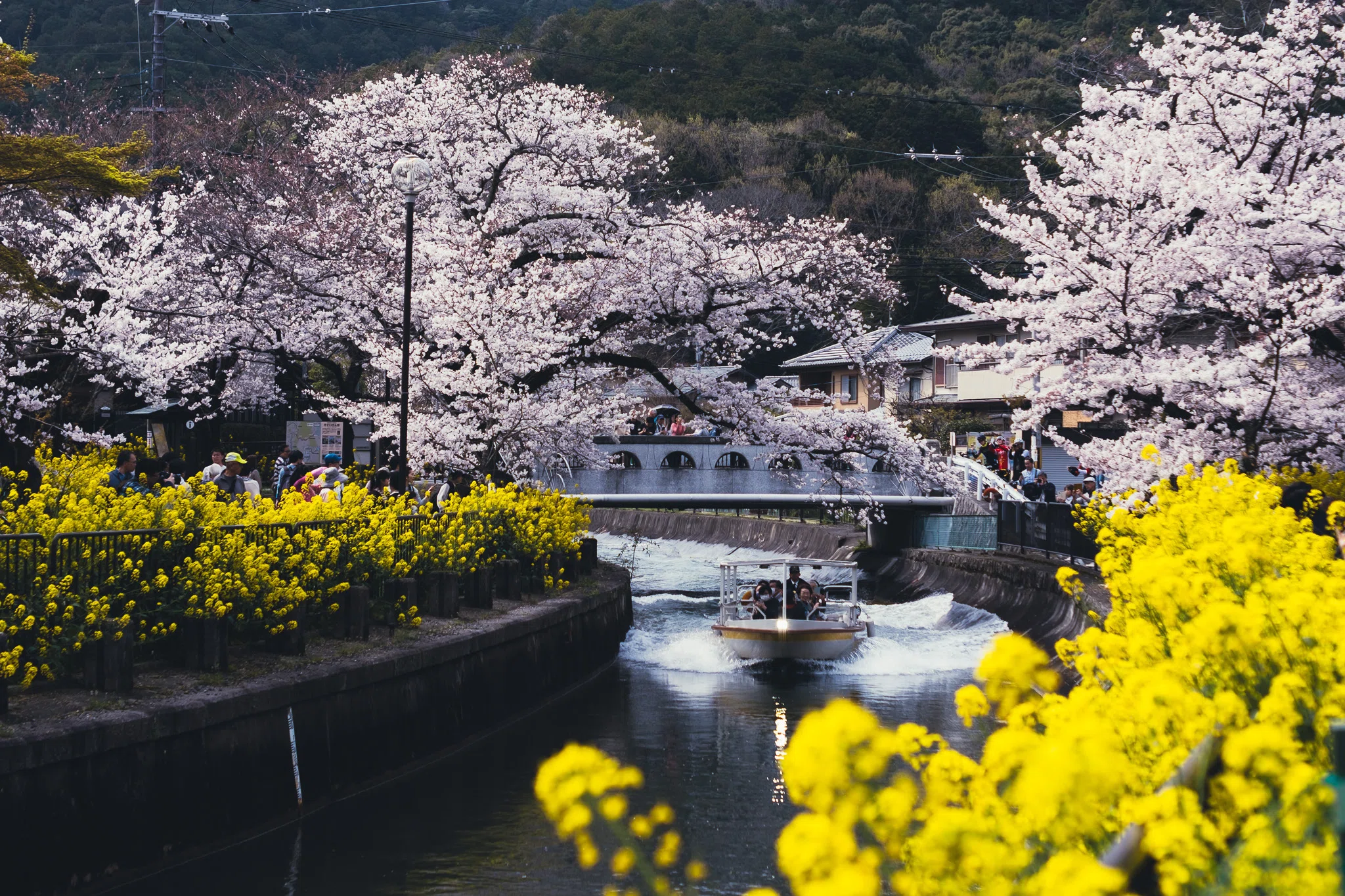
My ideal camera is one that's ready to shoot in any conditions. No padded case — it gets tossed straight into the bag, ready the instant something happens. A cheap lens makes that possible. At ¥12,000, even if I destroy it, replacement is painless. So I never baby it: moisture, scratches, weather — none of it keeps the camera in the bag.
For the record: two years of the toss-it-in-the-bag protocol, through storms, mountains, and the sea, and it has never broken. It's light enough to survive drops, and with no autofocus motor inside, there's very little to break.

Emo — Reliving the Photographer's Gaze
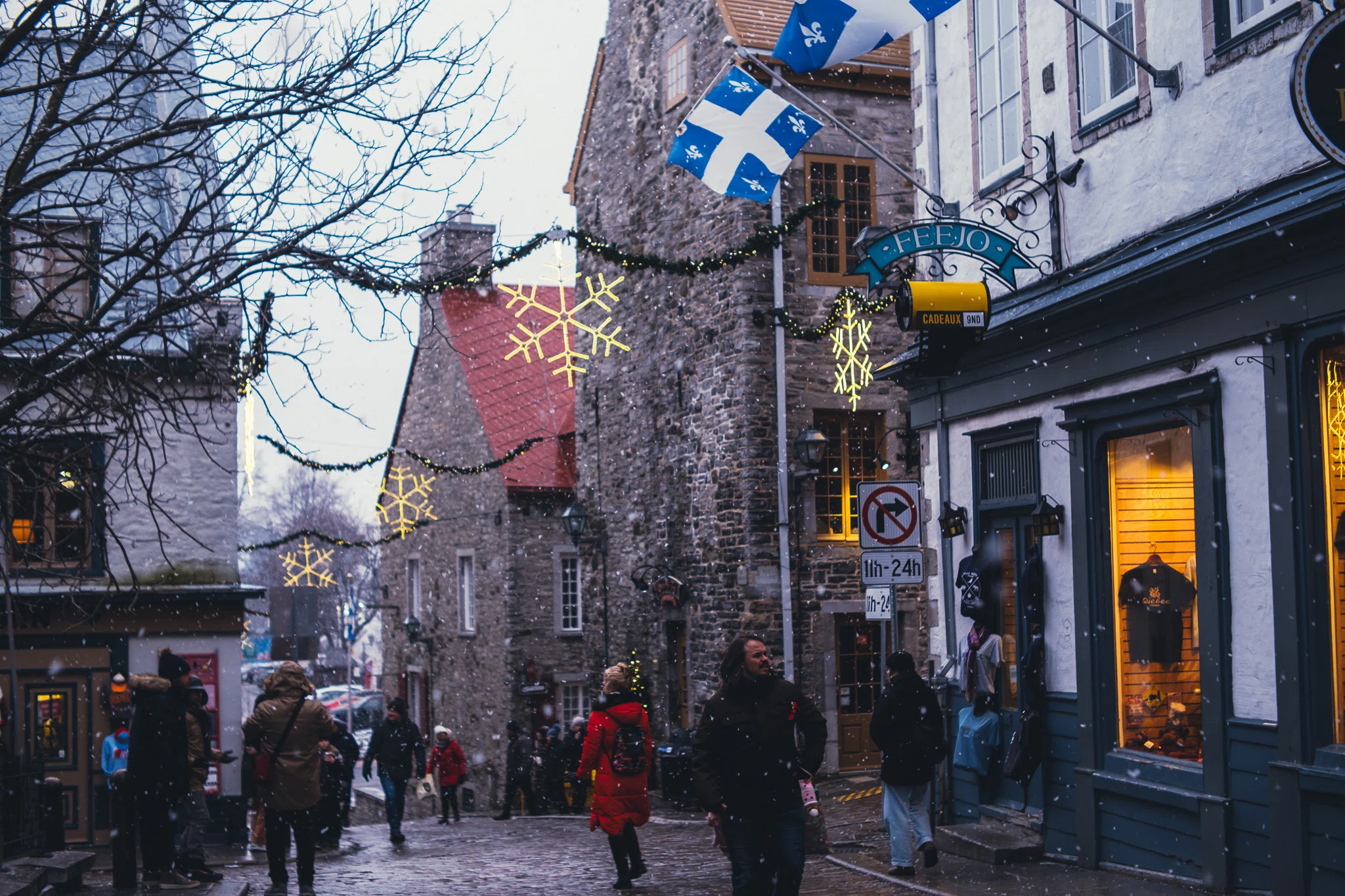
This is not a point-and-shoot lens. Manual focus, manual aperture, and your own two feet for framing. I count every bit of that as a feature.
A photographer once said — I forget who — that the essence of a photograph is reliving the gaze of the person who took it. I've never shaken that idea. I don't shoot for an audience; I shoot for myself and the friends I travel with. The goal isn't good photos. It's good memories.
A manual-focus prime practically enforces this. Focus, aperture, distance — everything is set by hand, so the photographer's intent inhabits every frame. Consider the missed-focus shot: on autofocus it's a simple failure, but on manual focus, the miss itself carries meaning — it records exactly what happened to you in that moment.
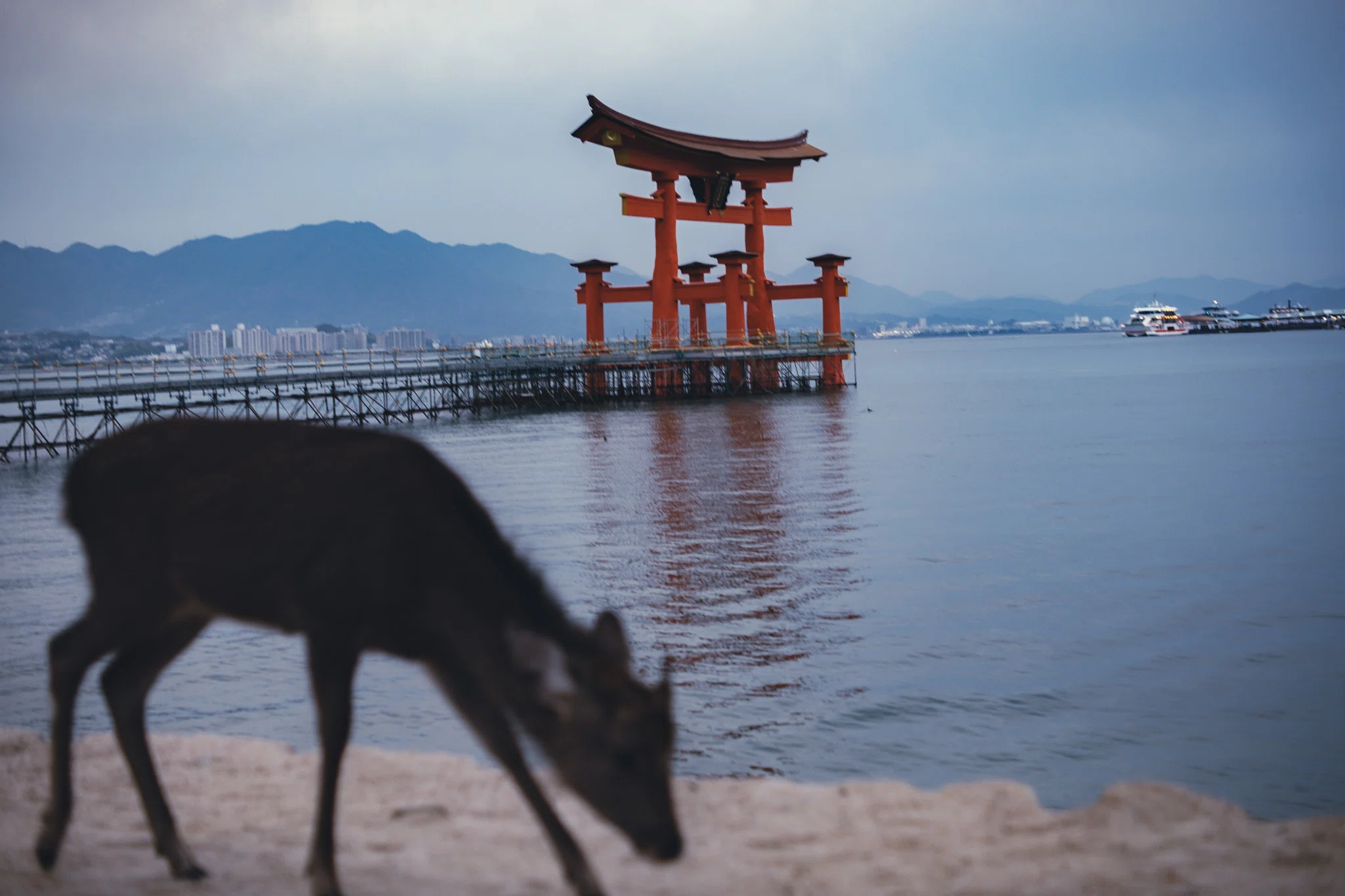
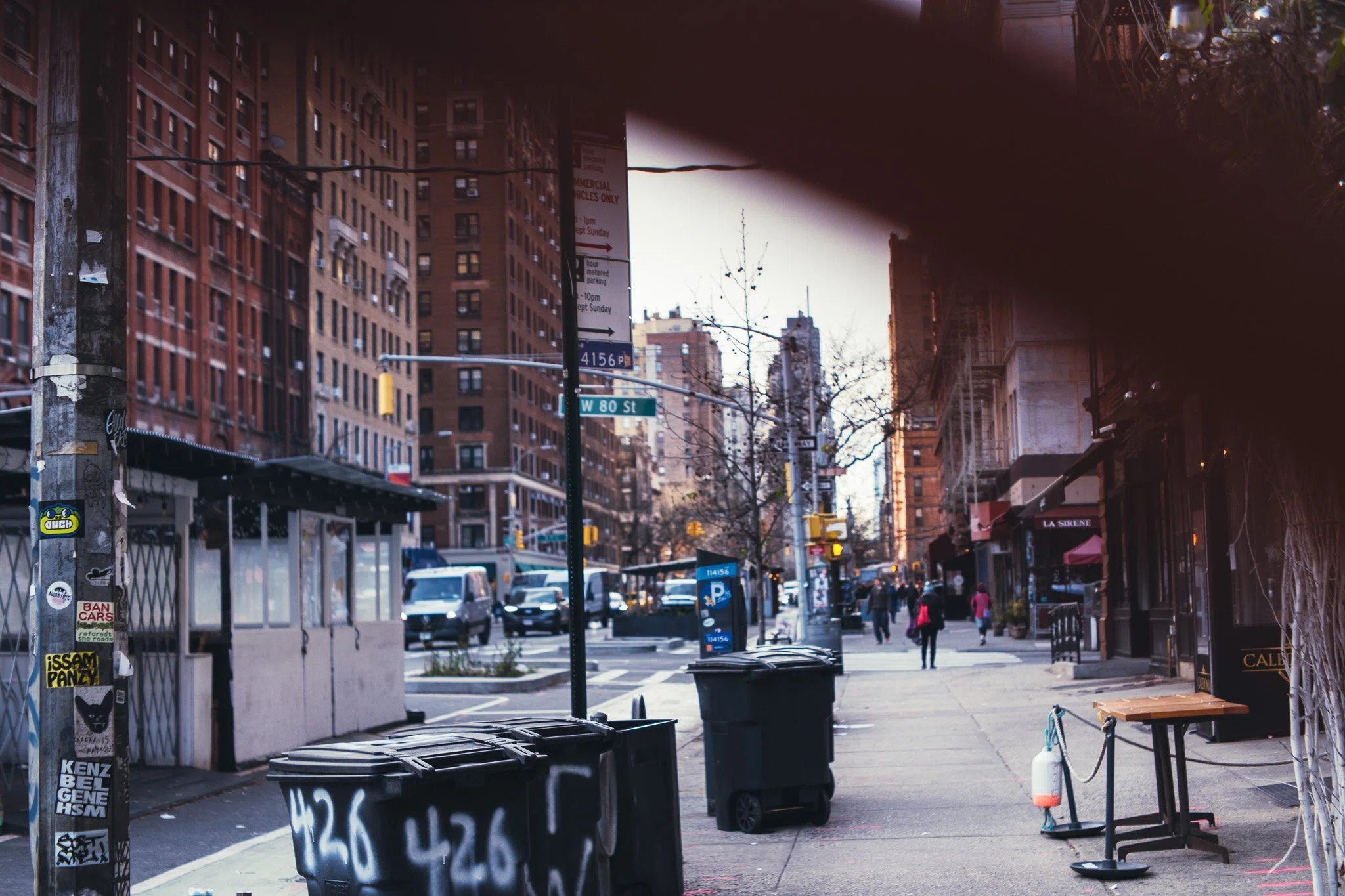
"A fixed lens can express the distance between yourself and the world."— Naoki Ishikawa, mountaineering photographer. Because a prime cannot zoom, it renders your actual distance — from wild animals, from landscapes too vast for the frame. From a 2020 lecture at the Tama Library, Tokyo.
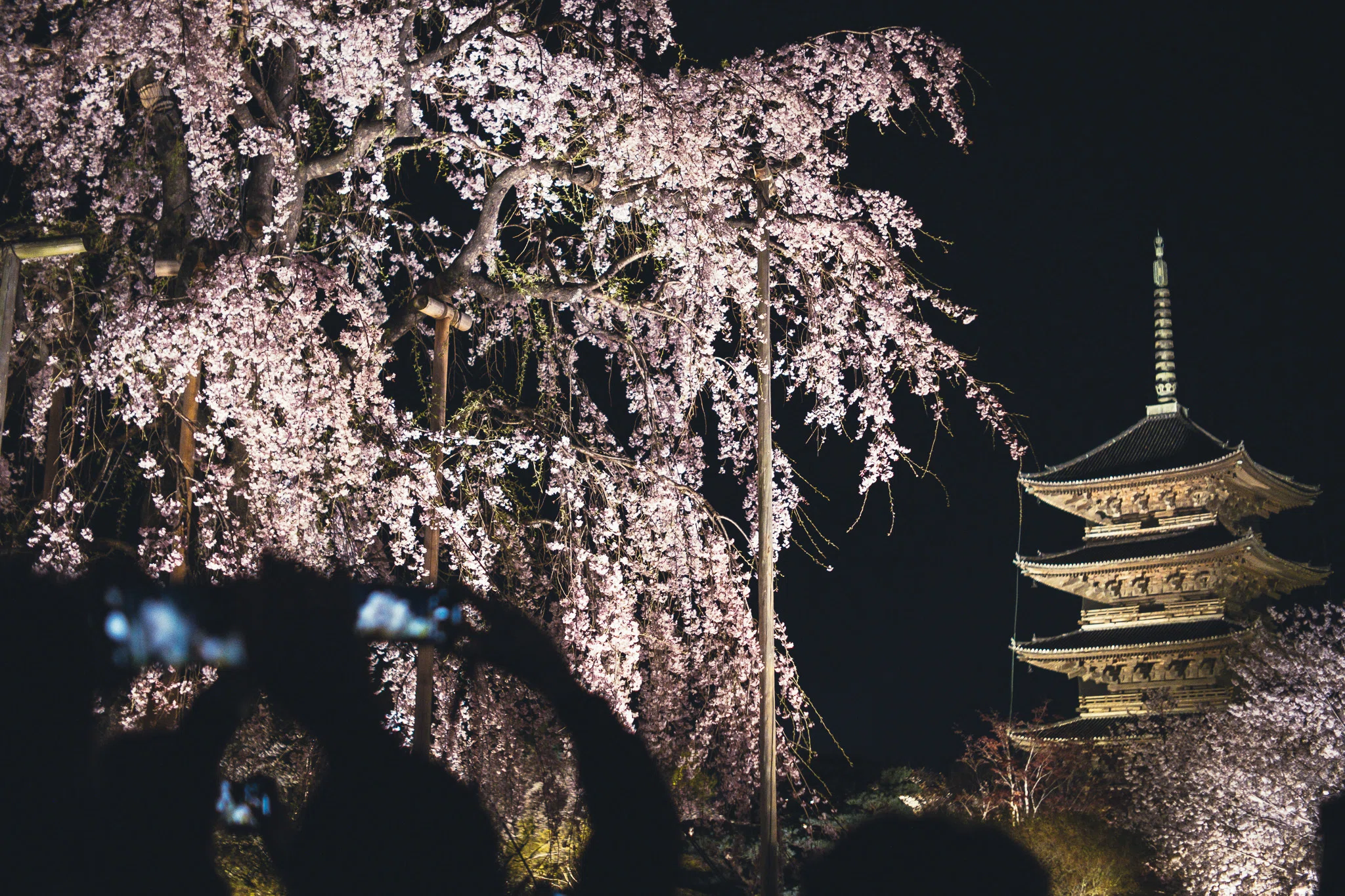
My own case in point: the spring crowds at Tō-ji temple. Packed in among hanami visitors, unable to move, unable to zoom — so I photographed the scene exactly as it stood before me, people softened into foreground blur at f/1.6. What the frame caught was the first post-pandemic spring, and the fact that these days we view cherry blossoms through phone screens rather than with the naked eye. A photo fused to the memory of the trip.
Leave the Safe Shots to Your Phone
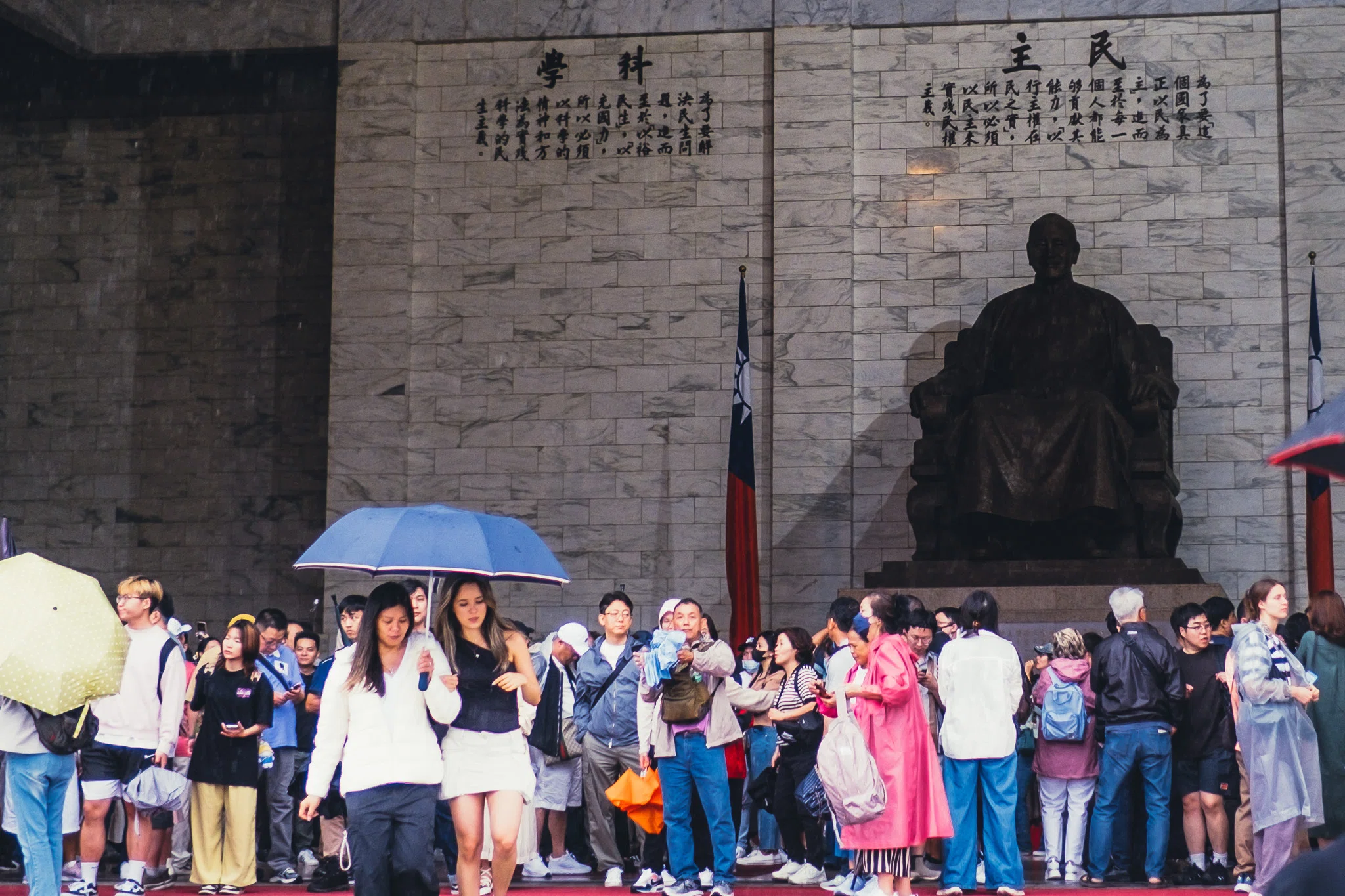
Is "missed focus is emo" just an excuse for bad photos? That's... a fair point. But a clean, well-composed, technically correct photo? Your phone takes those. And if not, Instagram supplies an infinite scroll of them, pre-taken.
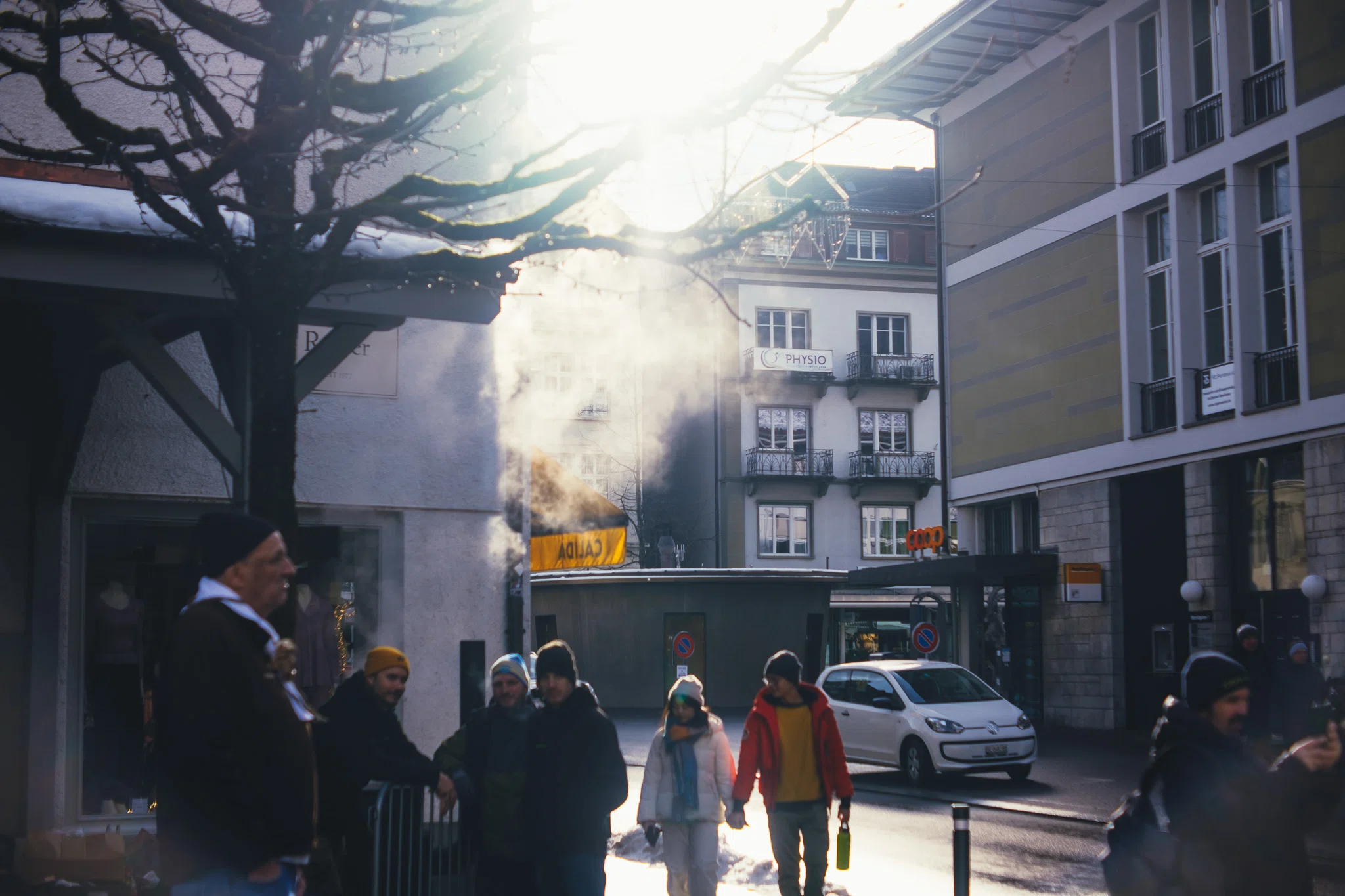
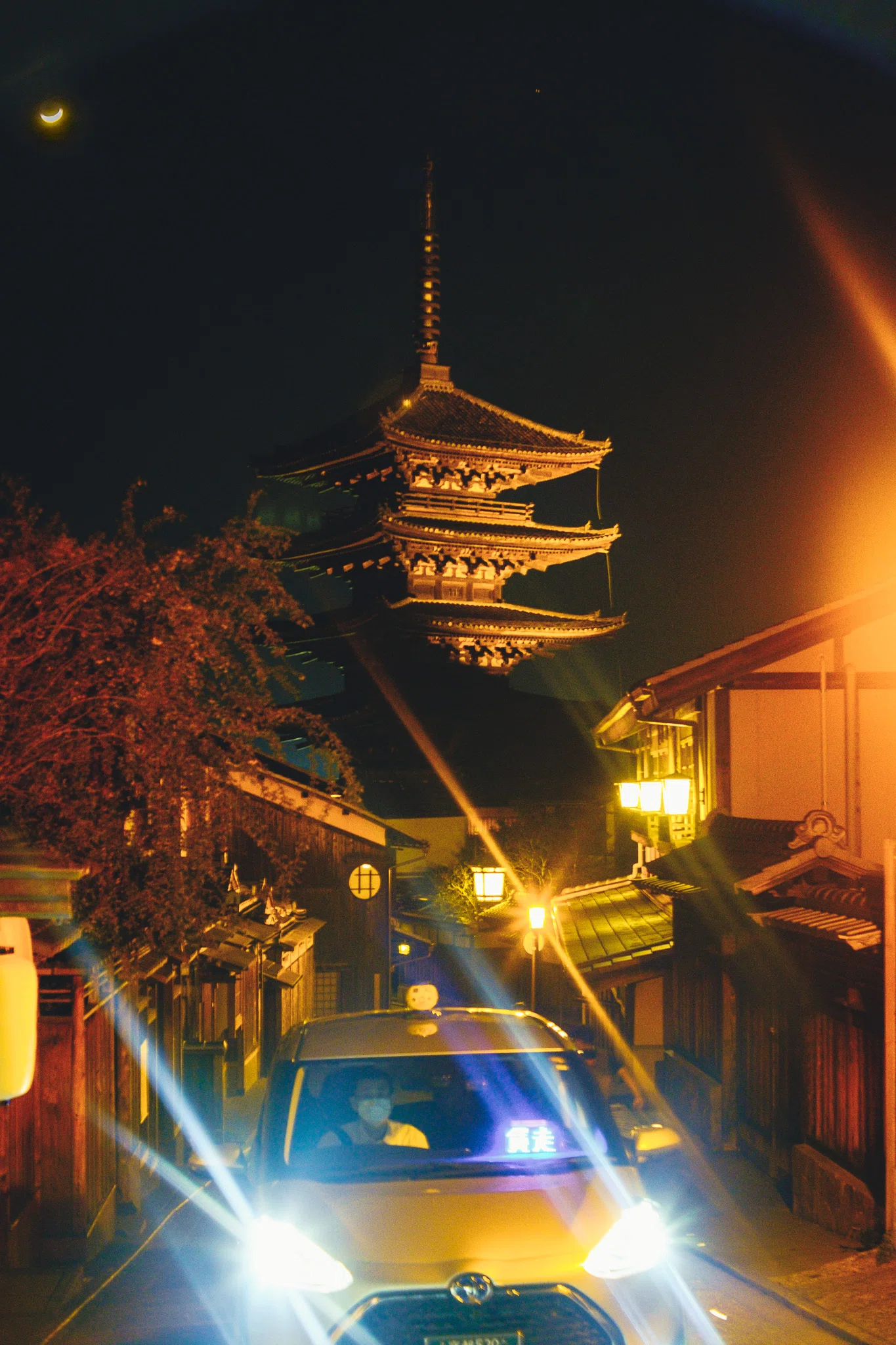
If you're going to carry a dedicated camera in an age like this, the photos should be worth something because you took them. The easiest route I know is deliberately inconvenient gear — a manual prime that forces the photographer's own movement into every frame. The TTArtisan was engineered for exactly two things, brightness and cheapness; everything else is ordinary. Flare resistance, for instance, is poor — point it near a light source and ghosts bloom across the frame. But those quirks are precisely what the phone can't produce. Which is to say: emo.
CuteSilver & Small
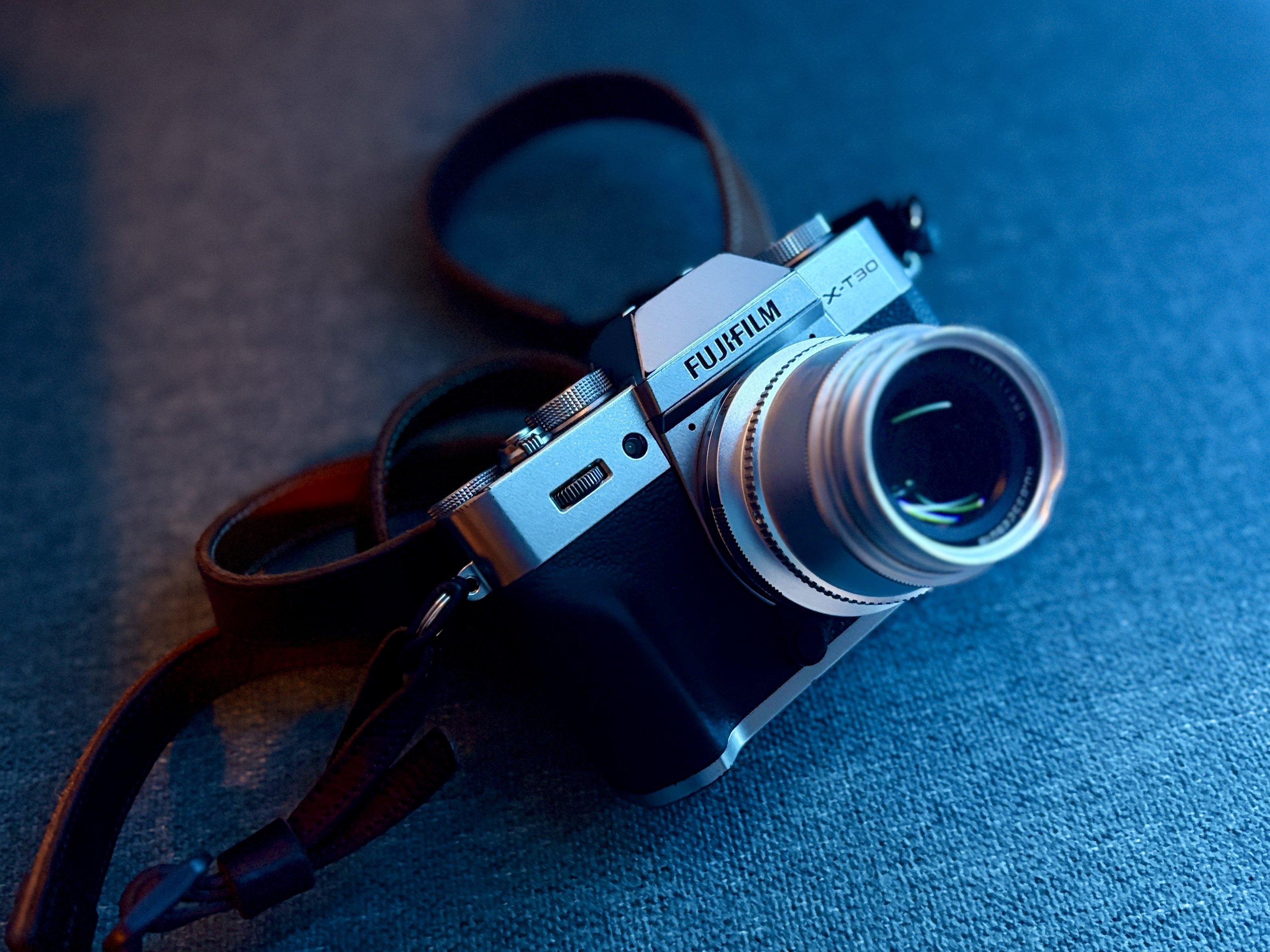
I have a weakness for silver cameras — my X-T30 is the silver one. Silver lenses are rare at any price; first-party and third-party alike default to black.
The TTArtisan, cheap as it is, comes in silver. Match it to a silver body and the result is classic, and frankly adorable.
A Camera That Doesn't Intimidate
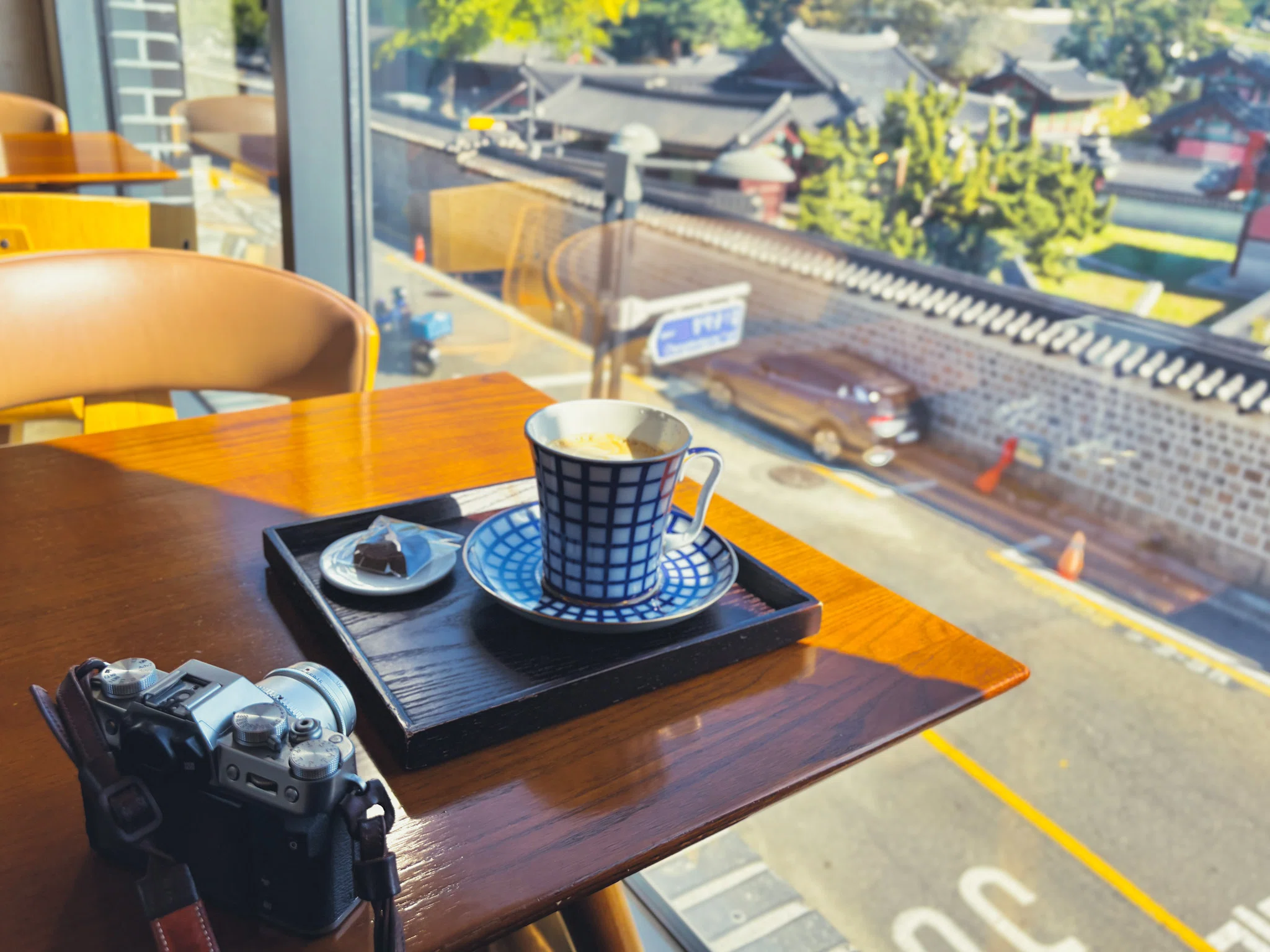
A classic-looking camera raises your spirits on the road — walking a foreign city with it slung on your shoulder simply feels like travel. The more practical virtue: it puts nobody on guard. Point a huge pro DSLR at friends and their faces stiffen; raise this, and they stay themselves.
At a RICOH GR event, the photographer Yukio Uchida showed pictures of laughing children and said: "Only a compact like the GR gets these smiles." The same goes for mine.

The Size Is Cute Too
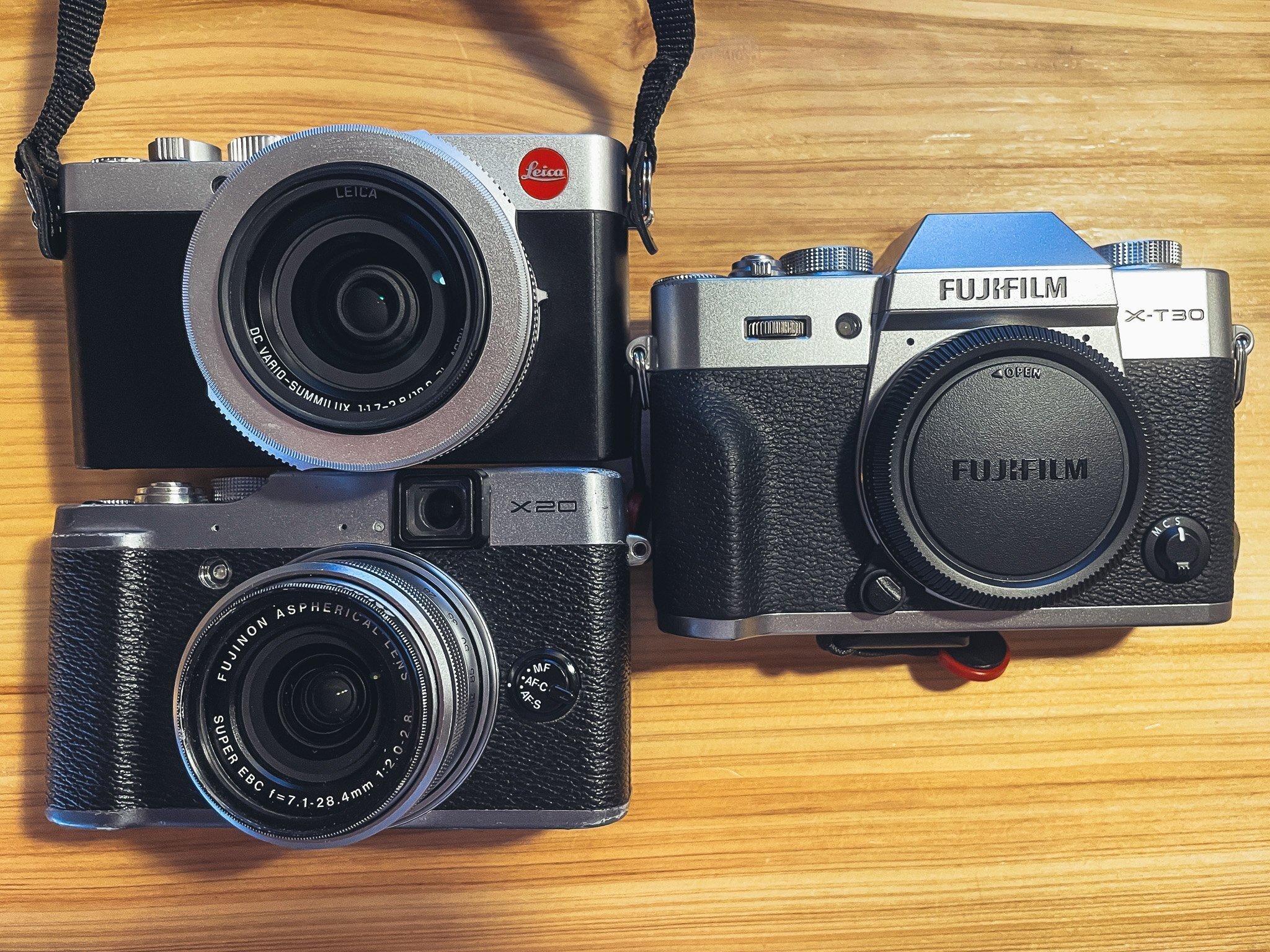
Lens and body together: roughly 560 grams — about 1.2 lb, barely more than a large compact. One-handed operation, fits a small bag. Travel, city walks, mountains: it simply comes along.
Now — where shall I
take the camera next?