 Feature
The entrance to the mountains can be low.
Feature No.019 — Hike & Ramen Routine
A Low-Mountain Hike
& Ramen Routine
Climb a modest mountain near Tokyo, eat ramen at the top, come back down. Written out, that's all there is to it. And yet, as ways to spend a day off go, it feels remarkably rich. This is my case for the casual mountain.
We're not conquering summits. There's no multi-day traverse. We leave Tokyo early, walk up one of the low mountains ringing the Kanto plain, boil water, and eat ramen. By early afternoon we're back in the city, riding the train home as if nothing happened.
Away from the Mountains
In high school and university I belonged to the mountaineering club. I carried an 80-liter pack through the Japanese Alps, slept in tents, sometimes went days without a bath. Back then, climbing was a serious undertaking — one that demanded real preparation and real legs.
Once I started working, the mountains suddenly felt far away. Matching the weather to a work schedule, waking before dawn, prepping gear — each step felt heavier than it used to. The longer I stayed away, the less I trusted my stamina, and the further the mountains receded.
Meanwhile my friends — office workers all — were discovering the outdoors one by one. Someone took up camping. Someone bought trekking boots. Me, wanting to find my way back; my friends, wanting a way in. Our interests aligned, and this little project was born. The goal is simple: climb an easy mountain in Kanto, and eat ramen somewhere with a view. A mountain habit can start with a reason exactly that small.
Cast — The Party
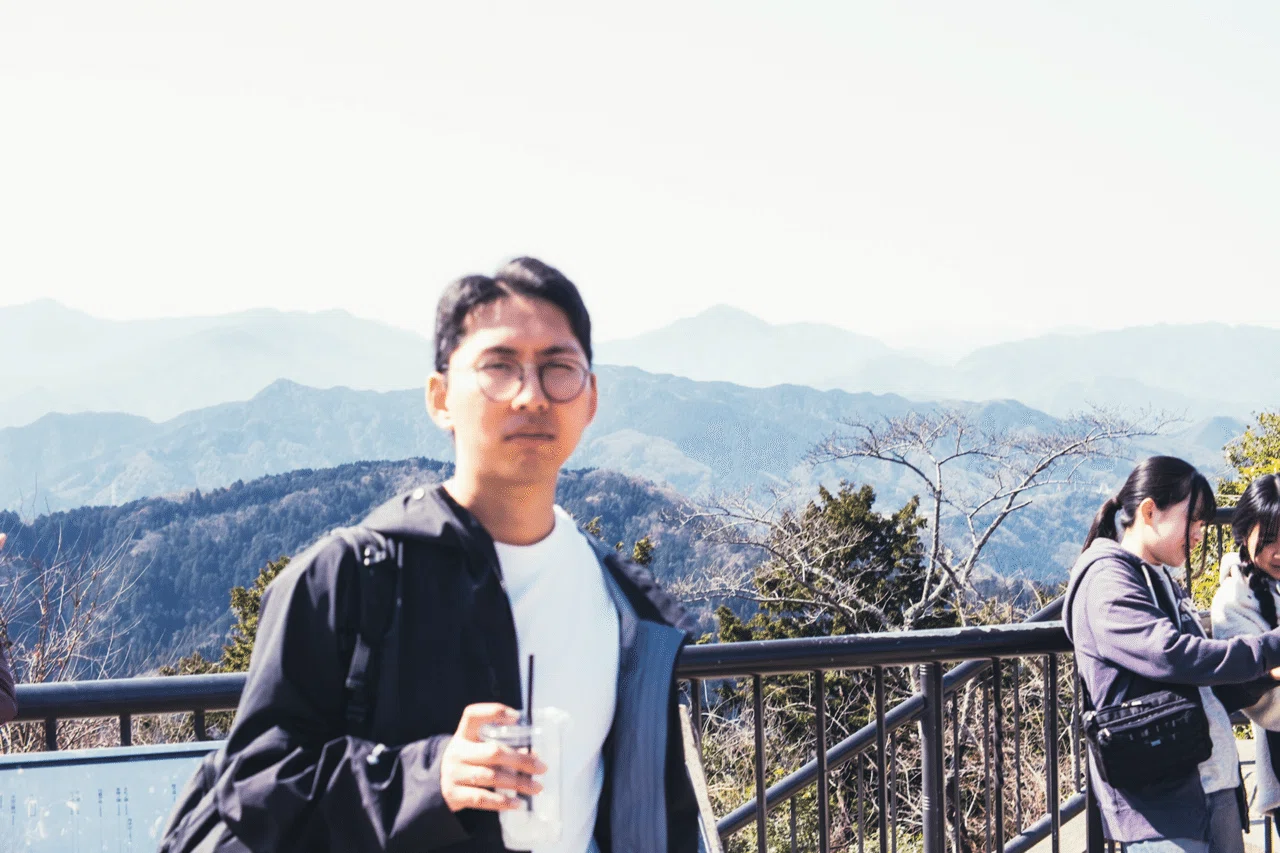
JLinguist
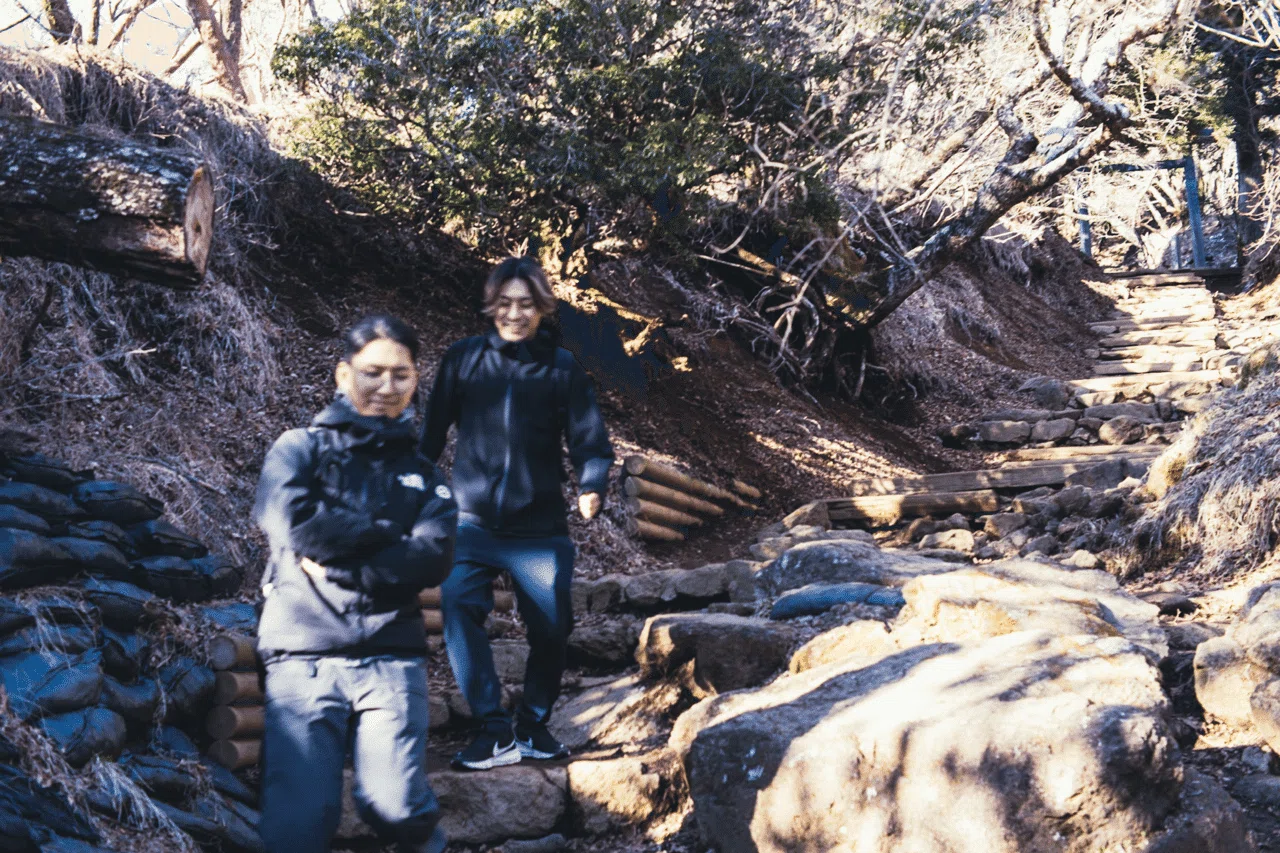
KAI Engineer
Round One: Mt. Takao599m
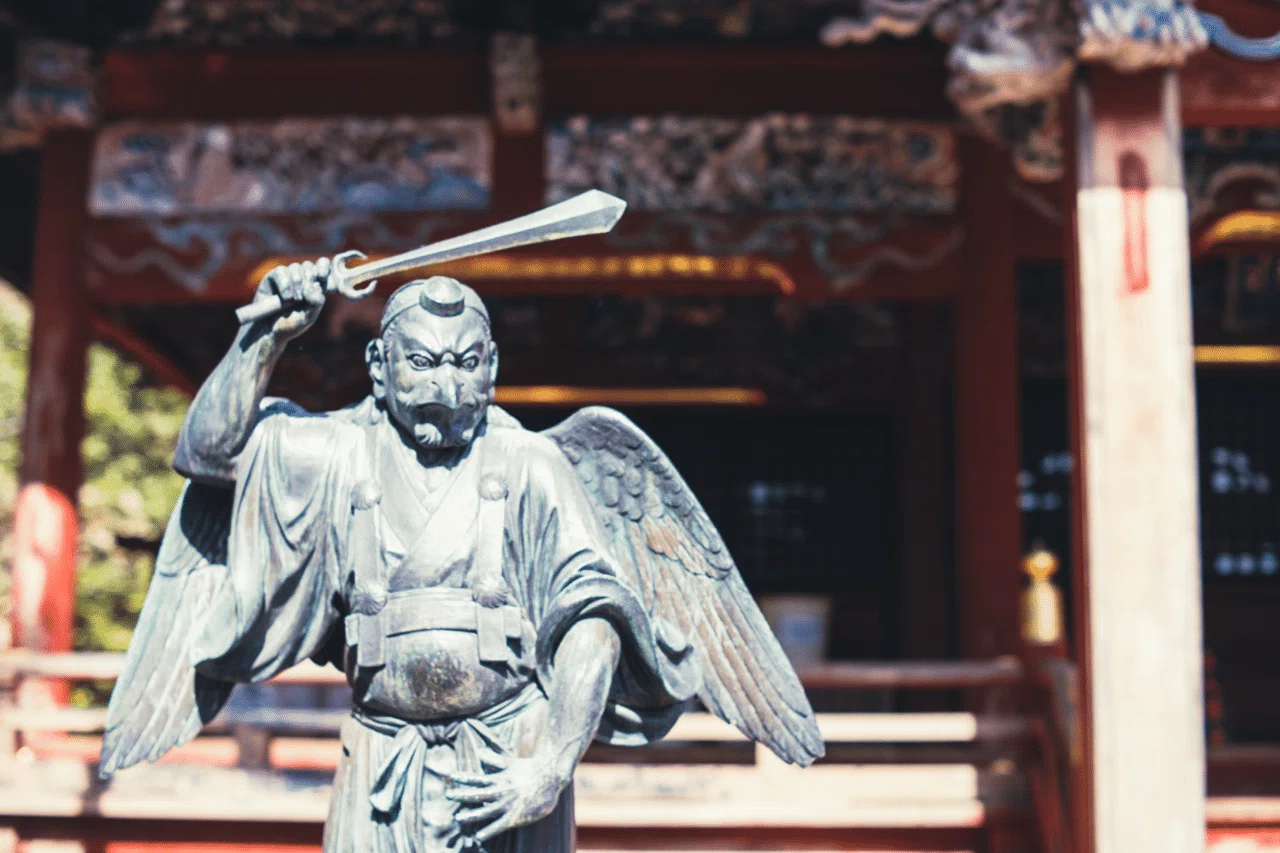
For the first mountain we chose Takao — the one peak even Tokyoites who never hike can name. There's a cable car, souvenir stalls, a crowded summit. The me who once walked the Northern Alps might have hesitated to call this "climbing" at all.
And yet, Takao. Walking it again after years away, it was exactly right. Close to Tokyo, with a distance you can tune to your party. Step off the street and in among the trees: soil underfoot, sky overhead, time moving at a different speed than the city's. Takao is plenty mountain.
I climbed Takao with my friend J, just the two of us. For the eighty-minute walk up, while I caught my breath, J delivered a rolling seminar on history, culture, and whatever else came to mind.
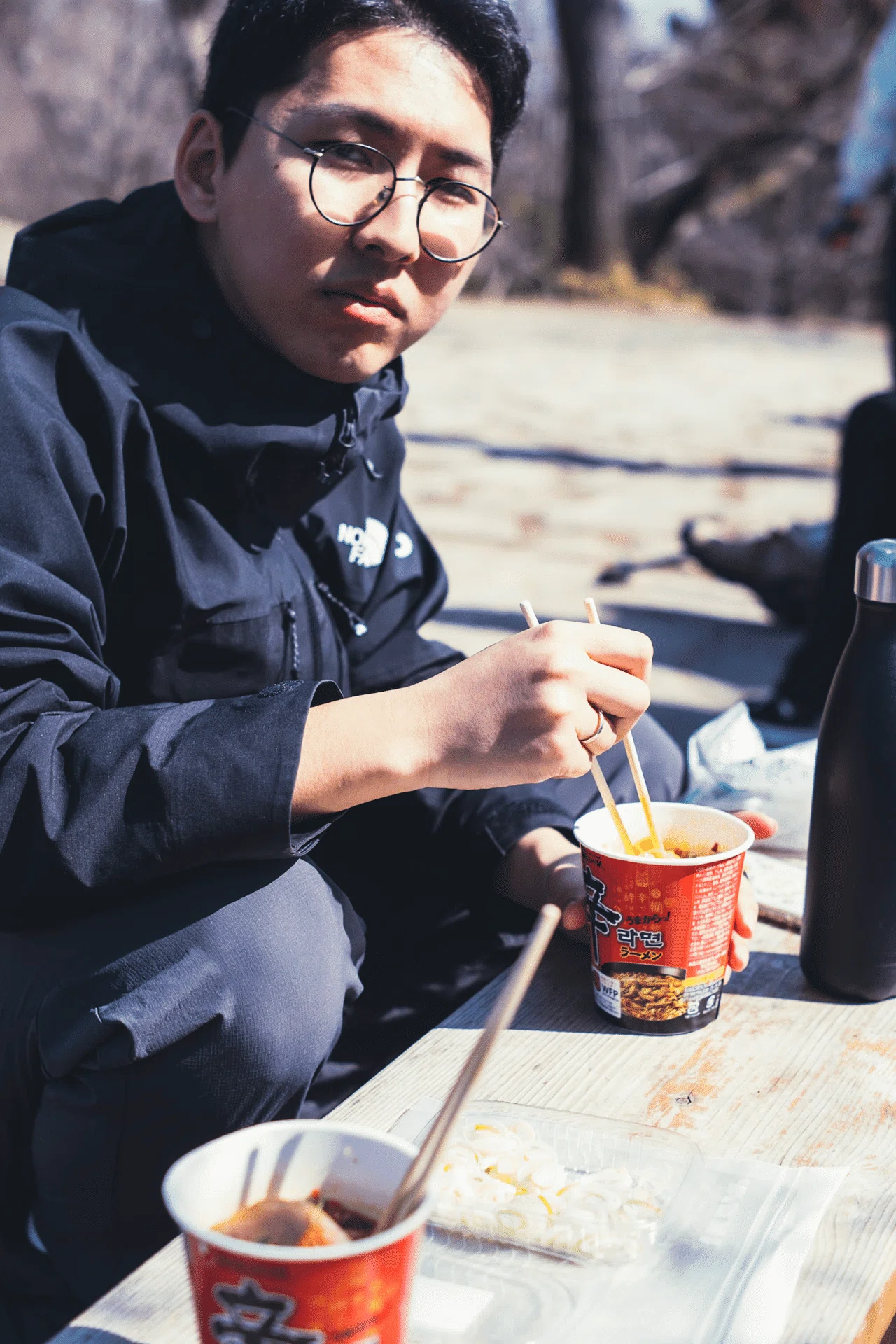
At the summit we got down to the day's real business: ramen. The brand, Shin Ramyun — J's choice, naturally. Fill the pot, light the single-burner stove, wait. J, a committed city boy, had never seen a backpacking stove up close. Watching the flame catch and the water climb toward a boil, he was already weighing which model to buy. By the foot of the mountain it had become a formal declaration of spending.
There's no secret technique to summit ramen. Same noodles, same soup as at sea level — plus a handful of chopped scallions if we're feeling ambitious. And yet it tastes absurdly good. You carried it up on your own legs. The steam rises into cold air. Mt. Fuji sits on the horizon. Taste, it turns out, is the sum of things like these.
MT.TAKAO599m→MT.ŌYAMA1,252m
Round Two: Mt. Ōyama in Kanagawa. A touch steeper than Takao, still an easy day trip from Tokyo. Keep the entrance low — and raise the ceiling, a little at a time.
Round Two: Mt. Ōyama
Our date happened to collide with the annual Ōyama Mountain Marathon, and the road to the trailhead was one long traffic jam. We abandoned the planned route and started from Yabitsu Pass instead. Mountains have a way of ignoring your plans; this time the lesson arrived before we'd taken a single step.
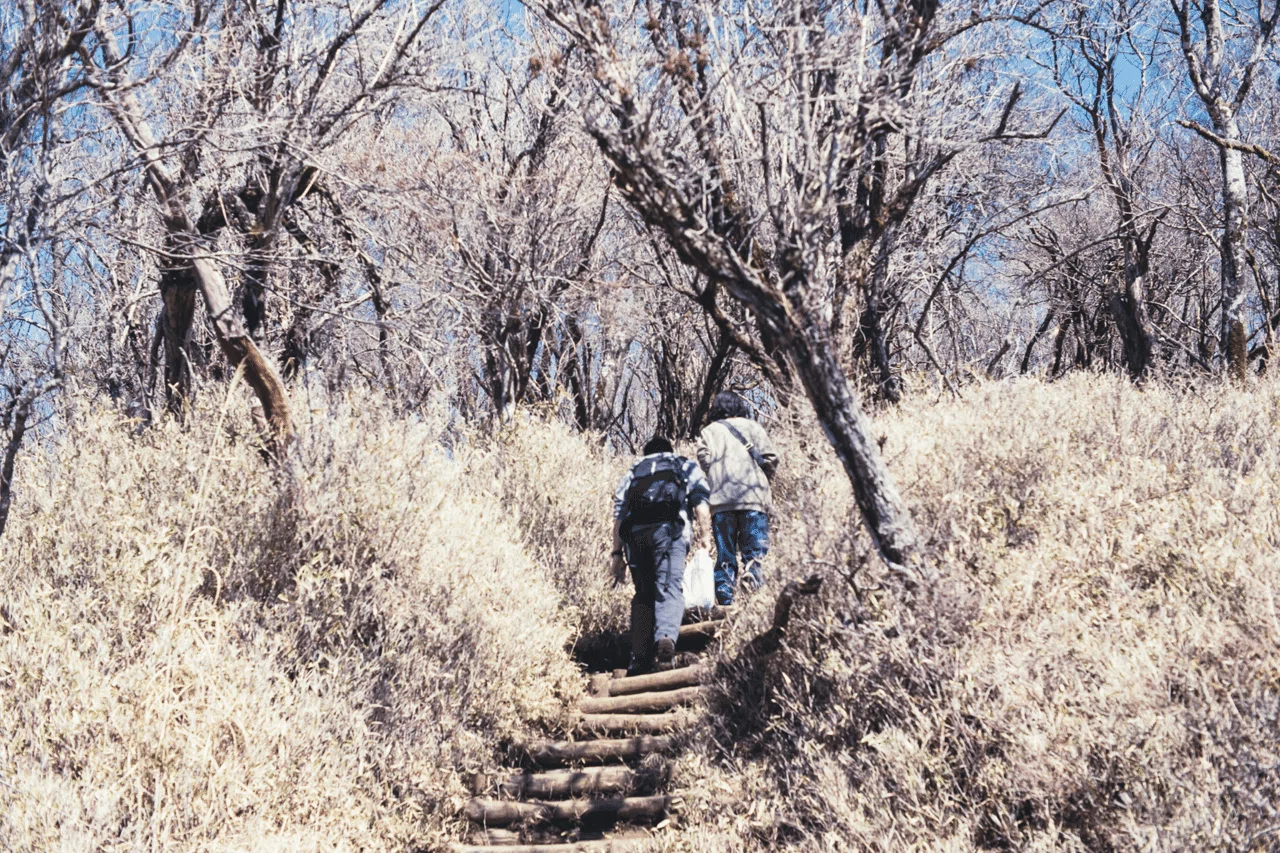
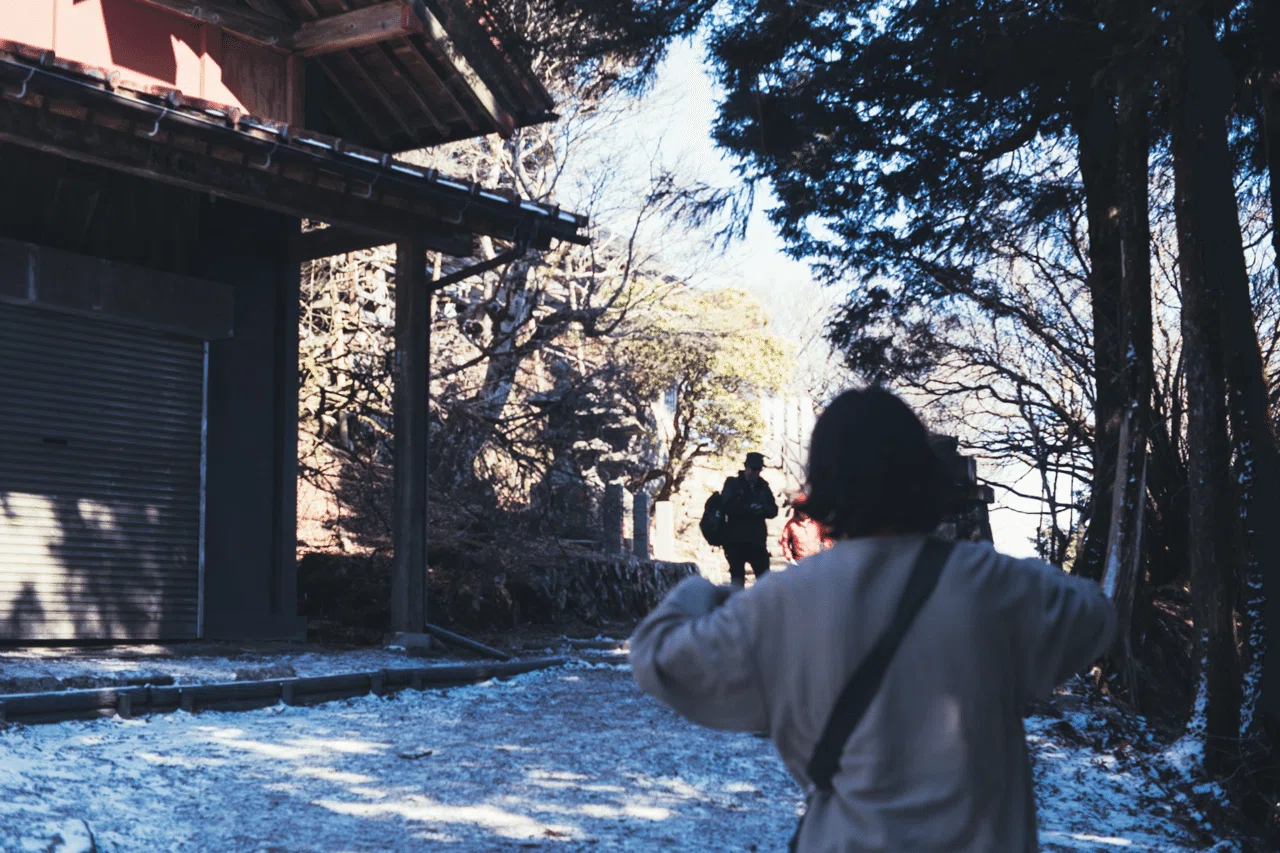
This time we were five: J, three newcomers, and me. J lectured as usual. One recruit, who had come without being told much of anything, carried his supplies in a convenience-store bag. Another kept repeating, as if reading from a card, "Man, hiking is so good." I walked behind them, taking their pictures. Five people, five styles, no discipline whatsoever.
Walking as five, someone suddenly speaks after a silence. J resumes his Korea material; someone else starts on work. A few steps more and everyone goes quiet again. Conversation and silence trade places, keeping pace with the climb. Meanwhile the town we'd left kept shrinking behind us. The pleasure of hiking isn't only the scenery — it's that the distance you've walked becomes visible as landscape. Stations, roads, buildings growing small; the sky growing wide in exchange.
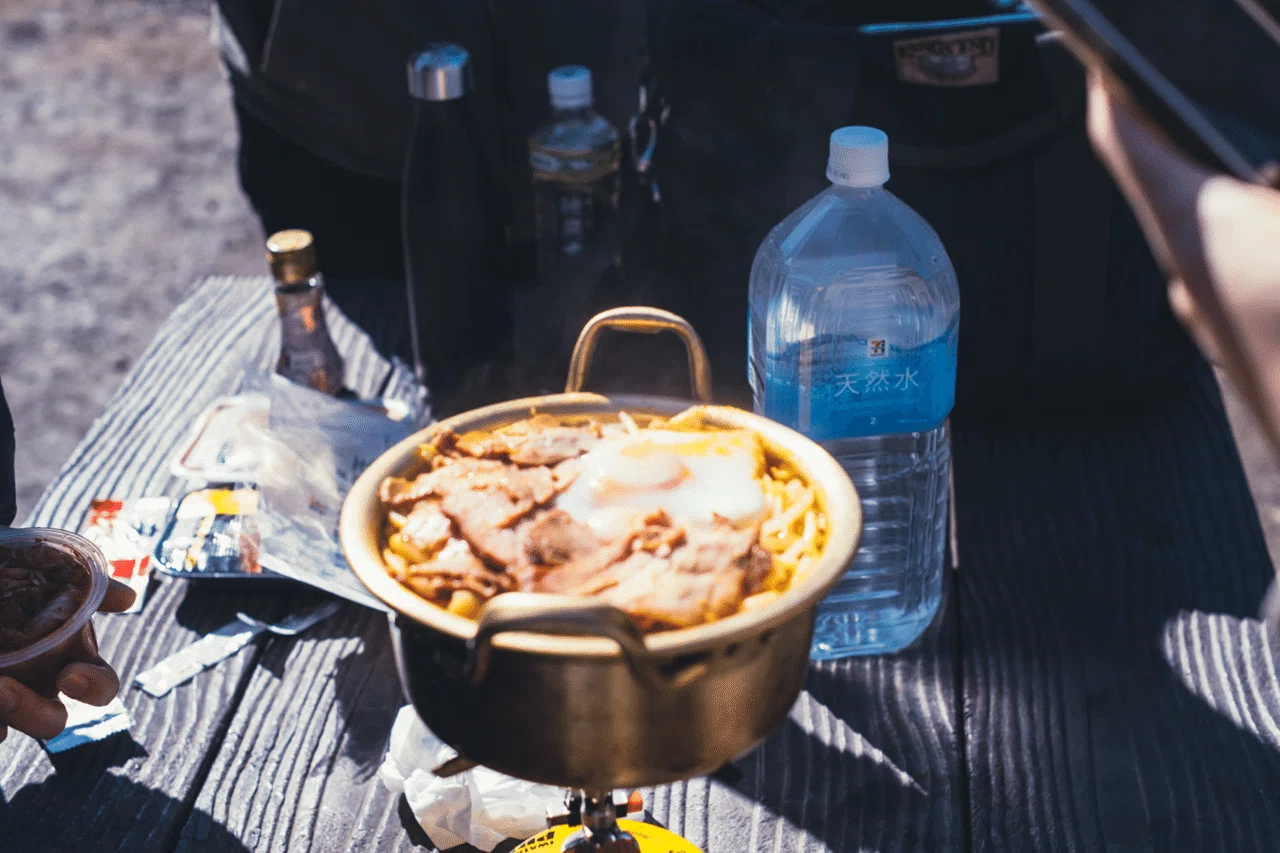
At the summit, of course, we made ramen. With one Takao behind us the operation ran smoother. Two servings had become five, but the roles sorted themselves out: someone on water, someone on toppings, someone watching the pot. Nobody gave orders — and yet, facing the shared goal called lunch, five people became, for the first time that day, a disciplined party.
There's joy in higher peaks and longer trails, certainly. But a mountain's worth isn't measured by difficulty alone. Walk with friends, eat ramen when you're tired, look out at the far ranges and the town you live in, then go home to it. That, too, is mountaineering.
The Entrance Can Be Low
Comfortable shoes, water, a warm layer, a clear day, a nearby hill. The reason can be scenery, exercise — or ramen.
For someone who had drifted away, these two outings were a foothold back. If I'd tried to restart with an 80-liter pack and the Alps, I'd have quit at the packing stage. But a day trip to a low mountain, ramen at the top — that, I could do. Climbing small mountains brought the big ones back to mind: I want to walk that ridgeline again; to carry a tent again.
It's also a scheme for luring friends outdoors. Plenty of people are curious about hiking but unsure of their gear or their legs. In Japan, the very word "mountaineering" can conjure the three Ks — kitsui, kusai, kiken: tough, smelly, dangerous. But on the trail you drift a little loose of your titles and roles; the way someone paces, tires, and rests shows you who they are. What matters is stepping just outside the city, on your own two feet.
The Kanto plain is ringed with mountains you can leave home for in the morning, eat ramen on at noon, and be home from by night.
Now — which mountain
shall we eat ramen on next?